Modern vehicles rely on a variety of systems to deliver smooth and responsive driving experiences. One key component that plays a crucial role in controlling engine power and vehicle acceleration is the throttle controller. This device directly influences how a car responds when the driver presses the accelerator pedal. Understanding how throttle controllers work can help drivers appreciate the technology behind vehicle performance and make informed decisions about upgrades or repairs.
What Is a Throttle Controller?
A throttle controller is an electronic device that modifies the signal between the accelerator pedal and the throttle body. Traditionally, mechanical linkages connected the pedal directly to the throttle valve, but modern vehicles use electronic throttle control systems, also known as drive-by-wire systems. The throttle controller adjusts the sensitivity and response of the throttle valve based on the driver's input.
In simple terms, the throttle controller determines how much air enters the engine by controlling the throttle valve opening. This directly affects engine power output and acceleration. By fine-tuning this process, throttle controllers can improve throttle response, reduce lag, and enhance driving enjoyment.
How Does a Throttle Controller Work?
The core function of a throttle controller is to intercept and modify the signal sent from the accelerator pedal sensor to the engine control unit (ECU). Here’s a step-by-step overview of the process:
- Driver presses the accelerator pedal
The pedal position sensor detects how far the pedal is pressed and sends an electrical signal to the ECU.
2. Signal interception by the throttle controller
The throttle controller receives this signal and adjusts it according to its settings. It can amplify or reduce the signal to change how aggressively the throttle valve opens.
3. Throttle valve adjustment.
The ECU sends a command to the throttle body to open the valve based on the modified signal. This controls the amount of air entering the engine.
4. Engine power output changes
More air means more fuel combustion, which increases engine power and vehicle acceleration.
By modifying the signal, throttle controllers can make the vehicle feel more responsive or smoother depending on the driver’s preference.
Types of Throttle Controllers
There are several types of throttle controllers available on the market, each offering different features and levels of control:
- Basic throttle controllers
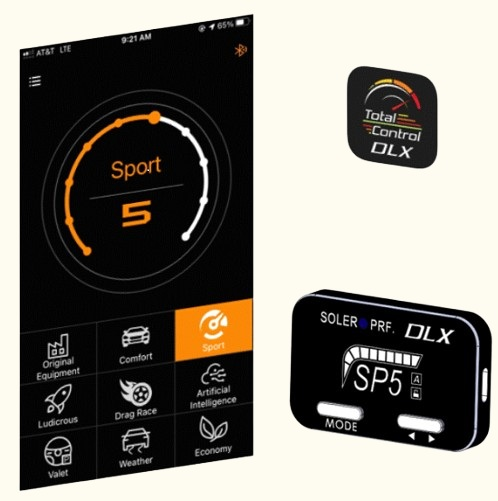
These devices provide a simple adjustment of throttle sensitivity. They usually have a few preset modes such as Economy, Normal, and Sport. Switching modes changes how quickly the throttle responds to pedal input.
- Advanced throttle controllers
These offer more customization, allowing drivers to fine-tune throttle response curves. Some models include smartphone apps or remote controls for easy adjustments.
- Integrated throttle controllers
Found in some performance vehicles, these are built into the vehicle’s ECU and work seamlessly with other engine management systems.
Benefits of Using a Throttle Controller
Installing a throttle controller can bring several advantages to everyday driving and performance:
- Improved throttle response
Drivers experience quicker acceleration without pressing the pedal harder. This is especially useful for overtaking or merging on highways.
- Reduced throttle lag
Some vehicles have a delay between pedal input and engine response. Throttle controllers minimize this lag for a more immediate feel.
- Customizable driving experience
Different driving conditions call for different throttle behaviors. A throttle controller lets drivers switch between smooth, fuel-efficient modes and aggressive, sporty modes.
- Enhanced fuel efficiency
By optimizing throttle response, some drivers can achieve better fuel economy during normal driving.
- Easy installation
Most throttle controllers plug directly into the accelerator pedal sensor wiring, requiring no permanent modifications.
Common Misconceptions About Throttle Controllers
Many drivers confuse throttle controllers with performance chips or engine tuners. While all these devices affect vehicle performance, their roles differ:
- Throttle controllers do not increase engine power
They only change how the throttle responds to pedal input. The engine’s maximum power remains the same.
- They do not modify fuel maps or ignition timing
Engine tuners or ECU remaps handle those functions.
- Throttle controllers are safe for the vehicle
Since they do not alter engine parameters, they generally do not void warranties or cause damage when used properly.
How to Choose the Right Throttle Controller
Selecting a throttle controller depends on your vehicle type, driving habits, and budget. Consider these factors:
- Compatibility
Ensure the controller supports your vehicle’s make and model.
- Adjustability
Look for models with multiple modes or customizable settings if you want more control.
- Ease of installation
Some controllers require professional installation, while others are plug-and-play.
- Price and warranty
Compare features against cost and check for manufacturer support.
Installation and Maintenance Tips
Installing a throttle controller is usually straightforward but requires attention to detail:
- Disconnect the battery before installation to avoid electrical shorts.
- Follow manufacturer instructions carefully for wiring connections.
- Test all modes after installation to confirm proper operation.
- Regularly inspect wiring for damage or corrosion.
- Avoid water exposure to prevent electrical issues.
Real-World Example: Improving City Driving
A driver living in a busy city found their car’s throttle response sluggish during stop-and-go traffic. After installing a basic throttle controller with a sport mode, the vehicle responded faster to pedal input, making it easier to navigate traffic and merge safely. The driver also appreciated switching back to Economy mode during longer trips to save fuel.
Future Trends in Throttle Control Technology
As vehicles become more connected and autonomous, throttle control systems will evolve:
- Integration with driver assistance systems
Throttle controllers may work alongside adaptive cruise control and collision avoidance to optimize acceleration.
- AI-based throttle management
Artificial intelligence could learn driver habits and adjust throttle response dynamically.
- Electric vehicle applications
While EVs use different powertrains, similar control concepts apply to managing motor torque and acceleration.